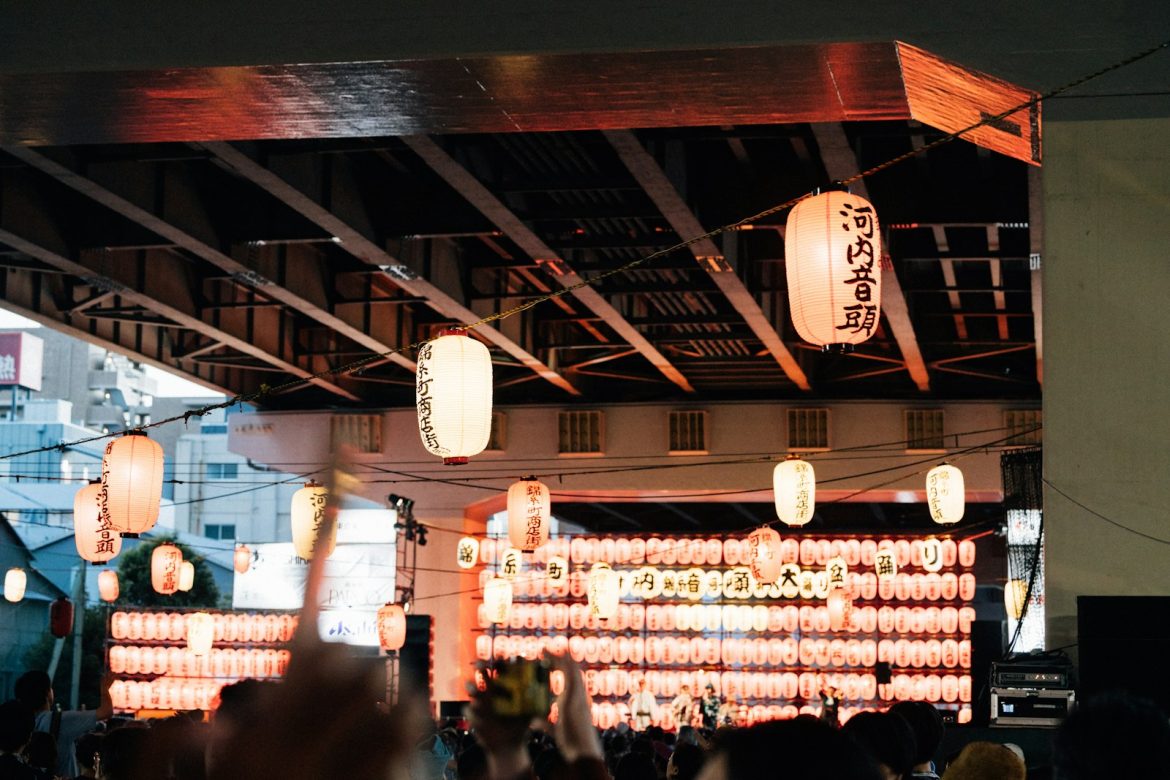
Lighting is one of the most constant presences in everyday life, yet it is also one of the least consciously considered. People notice lighting primarily when it feels wrong — when it is too dim, too bright, too harsh, or completely absent. When lighting is correct, it disappears into the background because it becomes natural. That is the paradox of illumination: the more effective it is, the less people think about it. A concept like All Weather Lighting reflects this idea — lighting exists for all moments, not only when attention is placed on it.
Human perception depends on visual cues. Every movement, every decision, every interpretation of space is influenced by vision. Light provides the information that vision requires. Without light, edges vanish. Without light, distance becomes unclear. Without light, safety becomes compromised. In this sense, illumination is not a luxury — it is part of basic human orientation.
Lighting has multiple layers of influence. The first layer is functional: allowing people to see clearly. The second layer is psychological: influencing how people feel in the space they are in. The third layer is emotional: shaping memory and association. A warm evening environment with balanced lighting can remain in a person’s memory for years, even if they never intentionally focused on the light fixtures themselves.
Lighting also defines the identity of a space. A clean hallway with subtle wall lighting feels calm. A dining area with gentle overhead lighting feels inviting. A pathway with spaced lights feels intentional and guided. Lighting contributes to the “story” of a location. It shapes how a place feels, not just how it looks.
Lighting also interacts with time. Daylight changes throughout the day — morning is different from noon, which is different from sunset. Artificial lighting fills the gaps, adapting to conditions and allowing spaces to remain usable, visible, and comforting. Weather patterns also interact with perception — on cloudy days, natural light is softer and less directional. Artificial lighting can complement this softness by providing gentle contrast. That is why the idea of lighting that is imagined for “all weather” is symbolic — it represents adaptability, continuity, and long-term presence.
In modern environments, lighting is also a form of communication. Light can indicate direction. It can provide focus. It can highlight features. It can define transitions between spaces — for example, from indoor to outdoor. Lighting can even encourage certain behaviours — such as slowing down, relaxing, gathering, or moving forward.
Lighting is not only visual — it is emotional. Warm light suggests comfort. Cool light suggests clarity. Low light suggests rest. Balanced light suggests stability. People may not think about these associations actively, but they respond to them subconsciously.
In conclusion, lighting is not a background detail — it is one of the structural elements of human experience. Even when it remains unnoticed consciously, it is always shaping perception, movement, understanding, and comfort. This is why the idea of lighting as part of everyday continuity — like the concept communicated through a phrase such as All Weather Lighting — fits naturally into the rhythm of daily life.
Leave a Reply