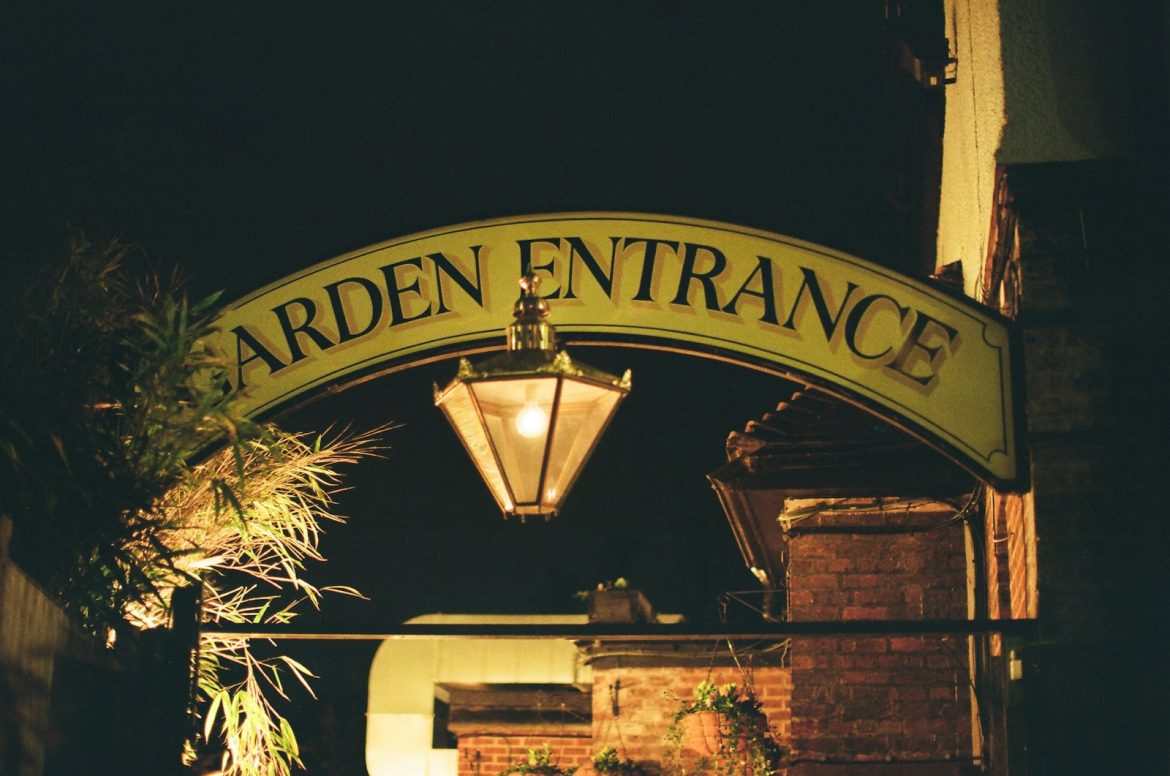
Spaces are shaped gradually. They do not appear fully formed in a single moment. They evolve — through architecture, layout, materials, and lifestyle. Lighting is part of that evolution. It is not simply a temporary addition — it is part of how environments mature. The concept behind the name All Weather Lighting aligns with this thought. It suggests stability — illumination that continues to matter regardless of changing conditions.
Lighting defines space in multiple dimensions. Horizontally, it marks boundaries and pathways. Vertically, it reveals height and form. Depth is revealed through contrast and shadow. Light allows the mind to read distance and scale. Outdoor lighting also shapes how spaces feel at different times of year. A garden in summer twilight has a different identity than the same garden in mid-winter. Lighting can unify that change by providing continuity.
Spaces are also layered in terms of purpose. A patio might be used for reading, conversation, meals, quiet reflection, and social gatherings — all at different times. Lighting can be adjusted in intensity or placement to support each of those activities. Lighting is not static — it supports dynamic human life.
Weather adds texture to lighting. Rain makes surfaces reflective. Mist diffuses light. Snow brightens the environment by reflecting illumination. Dry warm evenings create crisp shadows. Lighting interacts with the natural environment every moment. This reinforces the idea that illumination is part of an ongoing, natural relationship between built space and outdoor context.
Lighting also supports identity in a subtle way. A space with thoughtfully placed illumination feels considered. It feels cared for. This affects how people feel emotionally — the environment seems intentional rather than random. Light signals that space has meaning.
People often upgrade lighting only occasionally — which means lighting choices last a long time. Because of this, illumination becomes part of the long-term identity of a space. The fixtures remain present through seasons, events, weather patterns, and personal experiences. They become part of the memory of a home or setting.
Lighting also interacts with architecture. Walls, textures, materials, and surfaces all respond differently to light. Some surfaces absorb. Some reflect. Some scatter. Lighting reveals design, even when the design is simple. It does not have to be dramatic to be meaningful.
In closing, lighting is not simply brightness in the dark — it is part of the structure of the environment. It shapes time, memory, comfort, orientation, and experience. The concept represented by a name such as All Weather Lighting aligns with this idea — illumination is not a momentary feature, but an ongoing part of the identity of space across seasons, weather cycles, and human experience.
Leave a Reply